Shunga Book PDF: A Comprehensive Overview (Updated 03/30/2026)
Shunga resources, including PDFs, are increasingly available digitally, offering access to collections like “Japanese Shunga Prints 1000 images Vol.3” via Kindle and other ebook formats.
What is Shunga? Defining Japanese Erotic Art
Shunga, translating to “spring pictures,” represents a distinctive genre of Japanese erotic art flourishing from the 17th through the 19th centuries. Unlike Western erotic traditions often focused on explicit depiction, shunga frequently blends sensuality with artistry, humor, and even social commentary. These works, primarily woodblock prints, weren’t necessarily intended for clandestine viewing; they circulated amongst various social classes.
The availability of shunga in PDF format, and through platforms like Kindle, allows for broader access to these historically significant artworks. Digital collections, such as those offering “1000 images,” showcase the diversity of themes and styles within shunga. These digital formats preserve delicate details and offer convenient study options. Understanding shunga requires recognizing its cultural context – it wasn’t simply pornography, but a complex art form reflecting Edo period values and aesthetics.
Furthermore, books like “Shunga: Aesthetic of Japanese Erotic Art” provide critical analysis, deepening appreciation beyond the purely visual experience.
Historical Origins of Shunga: From the 14th Century Onward
While often associated with the Edo period (1603-1868), the roots of shunga extend back to the 14th century, appearing in illustrated handscrolls like the Horimono-gusa. These early examples, though rare, demonstrate a pre-existing tradition of erotic imagery in Japan. The development of woodblock printing in the 17th century revolutionized shunga production, making it more accessible and widespread.
Accessing historical shunga through PDF formats and digital collections allows researchers and enthusiasts to trace this evolution. Books detailing shunga’s history, alongside digital archives containing images like those found in “Japanese Shunga Prints 1000 images Vol.3”, are invaluable resources. The art form’s progression reflects changing social norms and artistic techniques.
Early shunga often incorporated elements of classical literature and poetry, gradually evolving into more explicit and diverse depictions. Digital preservation ensures these historical nuances aren’t lost to time.
The Role of Ukiyo-e Masters in Shunga Development
Ukiyo-e masters significantly shaped shunga’s artistic development, bringing their renowned skills in woodblock printing and composition to erotic art. Artists like Hokusai and Utamaro, celebrated for their landscapes and portraits, also produced notable shunga works, elevating the genre’s aesthetic quality.
Studying their contributions is facilitated by digital resources, including PDF books like “Shunga: Aesthetic of Japanese Erotic Art” by Ukiyo-e Masters, offering detailed analyses of their techniques and themes. These publications showcase how ukiyo-e principles – line, color, and perspective – were applied to erotic subject matter.
The availability of these resources in digital formats, such as Kindle editions, allows for easy access and study. Examining their shunga alongside their other works reveals a fascinating interplay between artistic styles and societal constraints. Digital archives preserve and disseminate this important aspect of their legacy.
Shunga as Aesthetic Art: Beyond Eroticism
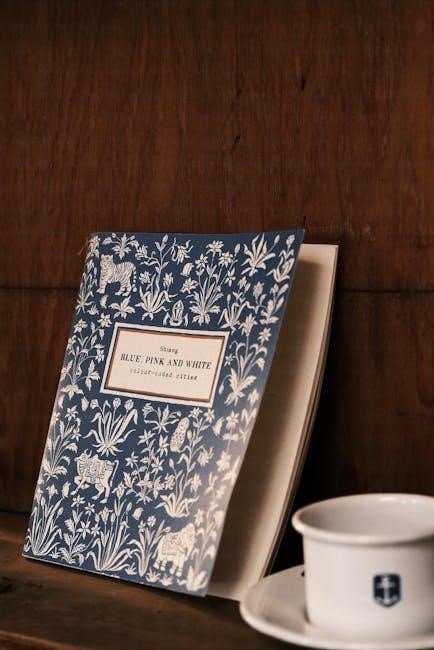
Shunga transcends mere eroticism, demonstrating sophisticated artistry in composition, line work, and color palettes. PDF books and digital collections, such as “Japanese Shunga Prints 1000 images Vol.3,” reveal the meticulous detail and artistic skill employed in these works.
These resources highlight shunga’s aesthetic value, showcasing its influence on broader ukiyo-e art. The prints often feature dynamic scenes, expressive figures, and innovative perspectives, demonstrating a mastery of the woodblock technique. “Shunga: Aesthetic of Japanese Erotic Art” further explores this artistic dimension.
Digital formats allow for close examination of these details, appreciating shunga as a legitimate art form. The availability of these PDFs and Kindle editions challenges conventional perceptions, presenting shunga not just as pornography, but as a significant cultural and artistic expression.

Exploring Shunga Collections & Digital Formats
Shunga collections are increasingly digitized, with PDF books and Kindle editions – like “Japanese Shunga Prints 1000 images Vol.3” – offering convenient access.
Kindle Editions of Shunga: Availability and Features
Shunga art is becoming more accessible through Kindle editions, offering a convenient way to explore this historical Japanese erotic art form. Several titles, such as “Japanese Shunga Prints 1000 images Vol.3” by PRODUCTS, MHM, are readily available on Amazon.com. These digital versions allow readers to download and enjoy the artwork on various devices – Kindle e-readers, PCs, smartphones, and tablets.
A significant advantage of Kindle editions is the inclusion of features designed to enhance the reading experience. Users can utilize bookmarks to save specific images or passages, take notes directly within the ebook, and highlight sections of interest. This functionality is particularly useful for art historical study or personal appreciation of the intricate details within shunga prints. The portability of Kindle devices also means that these collections can be enjoyed anywhere, anytime, providing a discreet and convenient way to engage with this often-sensitive subject matter.
Furthermore, the digital format often provides a higher resolution viewing experience compared to traditional print, allowing for a closer examination of the artwork’s fine lines and delicate shading.
PDF Availability: Finding Shunga Books Online
Locating shunga books in PDF format requires careful navigation, as availability can vary and copyright considerations are crucial. While direct PDF downloads of complete books are less common on mainstream platforms like Amazon, resources exist for accessing scholarly works and digitized collections. Websites specializing in art history and Japanese studies may offer PDFs of articles and excerpts related to shunga, such as those authored by Ofer Shagan, a prominent researcher in the field.
Searching online databases and digital libraries can also yield results, though often these are scans of older publications. It’s important to verify the legitimacy of any source before downloading to ensure compliance with copyright laws.
Furthermore, exploring academic institutions’ online repositories might reveal digitized versions of rare shunga-related texts. Keep in mind that the quality of PDF scans can differ significantly, impacting the viewing experience. Always prioritize legal and ethical access when seeking shunga materials online.
“Japanese Shunga Prints 1000 images Vol.3” ⎻ A Detailed Look
“Japanese Shunga Prints 1000 images Vol.3”, available as a Kindle edition by PRODUCTS, MHM, represents a substantial digital collection of vintage erotic art. This compilation showcases a wide range of historical and modern paintings categorized under shunga collections. The Kindle format allows for convenient access on various devices – Kindle readers, PCs, phones, and tablets – offering features like bookmarking, note-taking, and highlighting.
While not a traditional PDF, the Kindle edition effectively serves as a digital equivalent, providing a vast visual resource for researchers and enthusiasts. The sheer volume of images—1000 prints—makes it a comprehensive overview of the genre.
Users should note that the experience differs from a standard PDF; navigation relies on the Kindle interface. However, the convenience and portability of the Kindle edition make it a valuable resource for exploring shunga artwork.
“Shunga: Aesthetic of Japanese Erotic Art” by Ukiyo-e Masters ⎻ Analysis
“Shunga: Aesthetic of Japanese Erotic Art” by Ukiyo-e Masters is available for download in various digital formats, including potentially PDF, epub, mobi, and others, though direct PDF availability may vary. The book focuses on the artistic merit of shunga, moving beyond simple eroticism to explore its aesthetic qualities and cultural significance.
Information suggests options to read the book online, purchase it, or download it for use on devices like iPads, iPhones, and B&N Nooks. While a specific PDF link isn’t readily available, searching online ebook retailers may yield results. The book likely delves into the techniques and themes prevalent in shunga artwork.
Researchers and art enthusiasts will find this resource valuable for understanding the historical context and artistic nuances of this unique Japanese art form.

Key Artists and Themes in Shunga
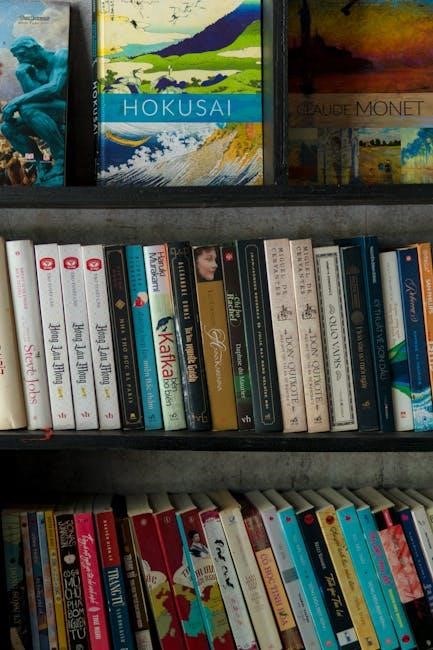
Shunga books, often available as PDFs, showcase diverse artists and recurring themes, revealing Edo period social contexts and artistic styles within erotic art.
Notable Shunga Artists and Their Styles
Exploring shunga through PDF formats and digital collections reveals the distinct styles of numerous artists. While comprehensive artist attributions can be challenging due to the often anonymous nature of shunga production, certain names emerge repeatedly in scholarly works and digitized books. Examining resources like those by Ofer Shagan, alongside collections such as “Japanese Shunga Prints 1000 images Vol.3,” allows for a glimpse into these artistic approaches.
Many shunga works lack definitive signatures, making stylistic analysis crucial. However, artists like Hokusai and Eishi, known for their ukiyo-e contributions, also produced significant shunga. Their influence is visible in the refined lines, dynamic compositions, and expressive characterizations found within these erotic prints. Digital books and PDFs dedicated to shunga often highlight these stylistic nuances, enabling viewers to appreciate the individual artistic voices within this genre. The availability of these resources fosters a deeper understanding of the artists and their unique contributions to shunga’s rich history.
Common Themes Depicted in Shunga Artwork
Shunga artwork, readily accessible through PDF collections and digital formats like Kindle editions, consistently portrays a range of recurring themes. These depictions, often found in books such as “Japanese Shunga Prints 1000 images Vol.3,” frequently center on explicit sexual acts, showcasing diverse pairings and positions. However, the genre extends beyond mere physicality.
Themes of playful courtship, domestic intimacy, and fantastical scenarios involving mythical creatures are also prevalent. Many shunga prints explore power dynamics and gender roles, offering a glimpse into Edo period social attitudes. Resources by scholars like Ofer Shagan illuminate the cultural context surrounding these themes. The availability of shunga in PDF format allows for detailed examination of these recurring motifs, revealing the artistry and complexity embedded within these often-misunderstood works. These digital resources provide a valuable platform for understanding the nuanced narratives woven into shunga’s visual language.
The Use of Symbolism and Metaphor in Shunga
Shunga, increasingly available in PDF and Kindle formats like “Japanese Shunga Prints 1000 images Vol.3,” is rich with symbolism and metaphor, extending beyond explicit imagery. Artists frequently employed visual cues to represent concepts like fertility, longevity, and social status. Certain flowers, animals, and objects carried specific meanings understood within the Edo period context.
For example, depictions of pine trees often symbolized longevity, while specific birds could represent fidelity or lust. The skillful use of metaphor allowed artists to address sensitive topics indirectly, navigating censorship and societal norms. Studying shunga through digital books and collections allows for close examination of these subtle details. Works by scholars like Ofer Shagan provide valuable insights into the cultural significance of these symbols. Accessing shunga in PDF form facilitates detailed analysis, revealing the sophisticated artistry and intellectual depth embedded within these seemingly straightforward erotic images.
Shunga and Social Context: Edo Period Japan
Shunga’s flourishing during the Edo period (1603-1868) was deeply intertwined with the era’s unique social structures, as explored in accessible PDF collections like “Japanese Shunga Prints 1000 images Vol.3” and scholarly works. A relatively stable society and a burgeoning merchant class created a demand for entertainment and artistic expression. While official censorship existed, shunga circulated widely, often catering to different social strata.
The “floating world” (ukiyo) culture, depicted in ukiyo-e prints, embraced pleasure and fleeting beauty, providing a fertile ground for erotic art. Digital access to shunga through platforms like Kindle allows modern audiences to understand its role within this context. Books by Ofer Shagan illuminate the historical and cultural nuances. Examining shunga in PDF format reveals how it reflected, and sometimes challenged, prevailing social norms, offering a glimpse into the private lives and desires of Edo period Japan.

Technical Aspects of Shunga Production
Shunga production heavily relied on woodblock printing, detailed in accessible PDFs; mastering these techniques enabled widespread distribution of erotic art, as seen in digital collections.
Woodblock Printing Techniques Used in Shunga
Shunga’s vibrant imagery was largely achieved through the intricate ukiyo-e woodblock printing process. This involved carving separate blocks for each color – often a complex undertaking with multiple blocks required for a single print. Skilled artisans meticulously transferred designs onto the woodblocks, typically cherry wood, and then painstakingly carved away the areas not intended to hold ink.
The printing itself involved applying water-based inks to the blocks and pressing them onto paper, traditionally washi, using a baren – a padded disc. This process demanded precision and expertise to ensure accurate color registration and sharp lines. The availability of digital resources, including PDFs showcasing shunga collections like “Japanese Shunga Prints 1000 images Vol.3”, allows modern viewers to appreciate the technical mastery involved. These digital formats often highlight the fine details achievable through this traditional method, offering a closer look at the artistry behind each print. Understanding these techniques enhances appreciation for the artistry within these shunga books.
Materials and Pigments Employed in Shunga Creation
Shunga artists relied on a refined palette of pigments derived from both mineral and organic sources. These included vibrant blues from indigo, rich reds from safflower and cinnabar, and earthy yellows and browns from various plant extracts. The quality of these pigments significantly impacted the final artwork’s longevity and visual appeal.
Washi paper, known for its strength and absorbency, was the preferred printing surface. Its ability to hold fine detail was crucial for the intricate designs characteristic of shunga. Digital reproductions, such as those found in shunga book PDFs like “Japanese Shunga Prints 1000 images Vol.3”, attempt to capture the nuances of these original materials. However, experiencing the texture of the washi and the subtle variations in pigment remain unique to the physical prints. Accessing these digital collections provides valuable insight into the materials and techniques employed by these artists.
The Evolution of Shunga Print Sizes and Formats
Shunga prints evolved significantly in size and format over centuries, reflecting changing artistic preferences and societal demands. Early examples often appeared as smaller, album-leaf style prints, while later works embraced larger formats like ōban and aiban, allowing for more elaborate compositions. The “pillow book” format, a key aspect of shunga, dictated specific dimensions designed for intimate viewing.
Digital shunga book PDFs, such as those available on Kindle, often present these prints in standardized digital dimensions. While convenient, this can sometimes alter the original viewing experience. Collections like “Japanese Shunga Prints 1000 images Vol.3” strive to maintain accurate representations, but the tactile experience of handling a physical print is lost. Understanding the historical context of these formats enhances appreciation when exploring digital reproductions.
Shunga as “Pillow Books”: Function and Design
Shunga frequently manifested as “pillow books” (makura-e), intimate albums designed for private enjoyment, often concealed beneath pillows – hence the name. These weren’t single sheets but collections of prints bound together, creating a narrative or thematic sequence. The format dictated smaller, easily handled sizes, prioritizing portability and discretion.
PDF versions of shunga collections, like those available digitally, attempt to replicate this experience, though the tactile element is absent. Digital “books” allow for easy browsing of numerous images, mirroring the album format. However, the original intention of hidden, personal viewing is altered. Examining these digital reproductions alongside information about the historical function of makura-e provides a richer understanding of shunga’s cultural context.
Contemporary Relevance and Research

Shunga PDFs facilitate modern study, exemplified by Ofer Shagan’s extensive research, enabling wider access to these historical erotic artworks for academic exploration.
Ofer Shagan’s Work on Shunga: Books and Articles
Ofer Shagan stands as a pivotal figure in contemporary shunga research, having dedicated significant effort to documenting and analyzing this unique art form. His work extends beyond simply cataloging images; he delves into the historical and cultural contexts surrounding shunga production and consumption. Shagan’s publications, including “Japanese Erotic Art: The Hidden World of Shunga” available as a Google Book rental, provide invaluable insights for scholars and enthusiasts alike.
The accessibility of digital formats, like PDFs of his work and related materials, has broadened the reach of his research. He has authored over a hundred articles in periodicals concerning history, culture, and art, with a substantial focus on shunga. These articles, often complementing his book-length studies, offer nuanced perspectives on specific artists, themes, and techniques. His dedication to the subject is evident in the depth of his scholarship, making his contributions essential for anyone seeking a comprehensive understanding of shunga.
Furthermore, Shagan’s broader expertise in Southeast Asian art and history enriches his shunga studies, providing a comparative framework for understanding Japanese erotic art within a wider regional context.
Modern Interpretations of Shunga Art
Shunga, once confined to private collections and scholarly circles, is experiencing a resurgence in interest, fueled by increased accessibility through digital platforms and PDF resources. Modern interpretations move beyond simply viewing shunga as erotic art, recognizing its sophisticated aesthetic qualities and cultural significance.
Contemporary artists and scholars are re-evaluating shunga within the context of gender studies, sexuality, and Japanese history. The availability of digitized collections, like those accessible via Kindle, allows for broader engagement and critical analysis. These interpretations challenge traditional Western perspectives, highlighting the nuanced symbolism and artistic skill inherent in shunga prints.
Furthermore, the exploration of shunga in academic research and art history fosters a deeper understanding of its role in Edo period Japan. The ease of accessing shunga books in PDF format encourages interdisciplinary studies, connecting art history with social and cultural studies.
Shunga in Academic Research and Art History
Shunga’s increasing presence in academic discourse is directly linked to the wider availability of resources, including digitized collections and shunga books in PDF format. Researchers now have unprecedented access to imagery and scholarship, fostering new avenues of inquiry.
Ofer Shagan’s extensive work, documented in books and articles, exemplifies this growing academic interest. His research, alongside others, utilizes readily available materials, often accessed through digital libraries and online bookstores offering PDF downloads. This accessibility allows for comparative studies and detailed analyses of artistic techniques and thematic representations.

Art history benefits significantly from the ability to examine high-resolution images of shunga prints, often found within digital books. The study of woodblock printing techniques, materials, and the evolution of formats is enhanced by these resources, leading to a more comprehensive understanding of this unique art form.
Ethical Considerations When Studying Shunga
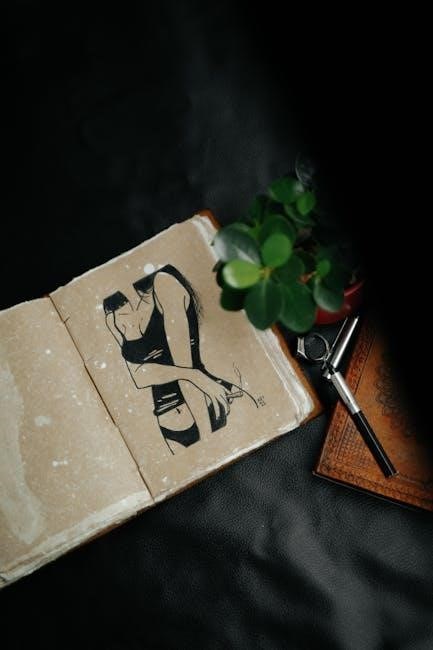
Shunga’s explicit nature necessitates careful ethical consideration when researching and disseminating information, particularly when utilizing PDF versions of digitized collections. Responsible scholarship demands sensitivity towards the potentially exploitative aspects of viewing and sharing erotic art.
Researchers must acknowledge the historical context of shunga, recognizing it as art created within a specific social and cultural framework, rather than solely focusing on its erotic content. The accessibility of shunga books in PDF format amplifies the need for mindful engagement, avoiding sensationalism or objectification.
Furthermore, copyright and provenance are crucial ethical concerns. Ensuring the legal and ethical sourcing of digital images and texts is paramount. Researchers should prioritize materials from reputable sources and respect intellectual property rights when utilizing shunga resources available as PDFs.