Wagner Steamer Manual: A Comprehensive Guide
This manual provides detailed instructions for operating your Wagner steamer, encompassing everything from initial setup to advanced techniques and troubleshooting, ensuring optimal performance.
Welcome to the world of efficient and effective garment care with your new Wagner steamer! Wagner steamers represent a legacy of innovation, stemming from a brand historically linked to artistry and precision – a nod to the famed composer Richard Wagner. These steamers are designed to revitalize fabrics, removing wrinkles and odors with the power of steam, offering a gentle alternative to traditional ironing.
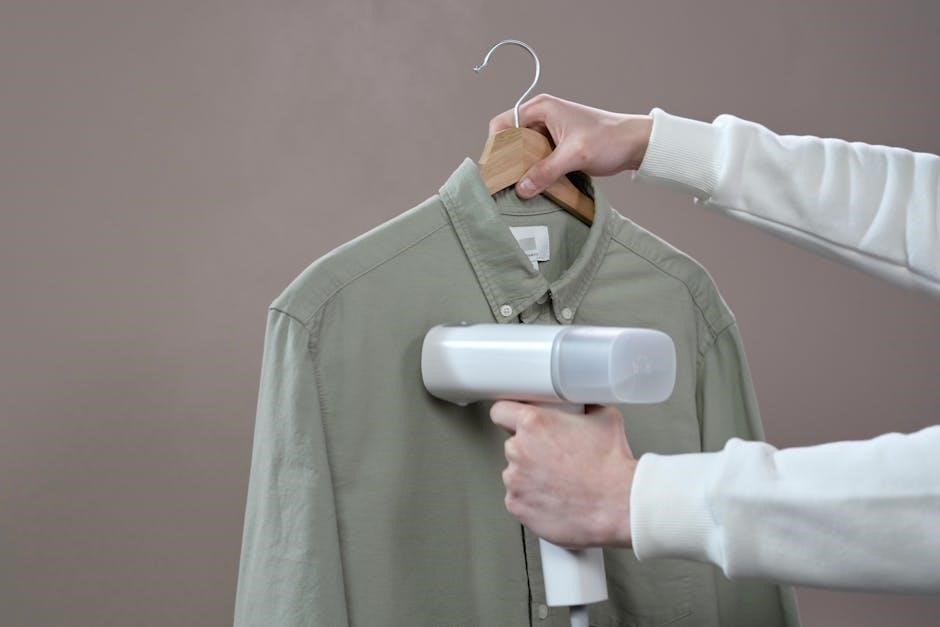
Unlike conventional irons, Wagner steamers utilize steam to relax fabric fibers, resulting in a smoother, more refreshed appearance. This method is suitable for a wide range of materials, from delicate silks to heavier upholstery. This manual will guide you through understanding your specific model, ensuring safe operation, and maximizing the benefits of your Wagner steamer. Prepare to experience a new standard in fabric refreshment and care!
Understanding Your Wagner Steamer Model
Your Wagner steamer model is engineered for optimal performance and longevity. Familiarizing yourself with its components is crucial for safe and effective use. Key features typically include a water reservoir, steam nozzle(s), power switch, and control settings for steam pressure and temperature. Some models may offer additional functionalities like automatic shut-off or fabric-specific settings.
Refer to the diagram included with your steamer to identify each part. Understanding the purpose of each component will enhance your steaming experience. Note the model number located on the base of the unit; this is essential when contacting customer support or ordering replacement parts. Wagner offers a diverse range of steamers, each tailored to specific needs, so knowing your model’s capabilities is paramount.
Safety Precautions and Warnings
Prioritize safety when operating your Wagner steamer. Always unplug the unit before filling, cleaning, or performing maintenance. Never operate the steamer if the cord or plug is damaged. Keep the steamer away from children and pets during operation and while cooling down. Avoid touching the hot steam nozzle or any heated surfaces to prevent burns.
Use only distilled or demineralized water to prevent scale buildup and ensure optimal performance. Do not overfill the water reservoir. Ensure the steamer is placed on a stable, heat-resistant surface. Never aim the steam at people or animals. Allow the steamer to cool completely before storing. Failure to follow these precautions could result in injury or damage to the unit.
Setting Up Your Wagner Steamer
Proper setup is crucial for efficient steaming. This section details the initial inspection, water reservoir filling, and power connection procedures for your Wagner steamer.
Initial Inspection and Parts List
Upon receiving your Wagner steamer, carefully inspect the packaging for any signs of damage during transit. If damage is evident, immediately contact the retailer or Wagner customer support. Once opened, verify that all components listed on the included parts list are present.
Typically, your Wagner steamer package should include: the steamer unit itself, a water reservoir (often removable), various nozzle attachments (fabric, upholstery, detail), a power cord, an instruction manual (this document!), and potentially a specialized brush attachment.
Familiarize yourself with each part’s function. The nozzle attachments are designed for different steaming applications, while the water reservoir dictates steam duration. Ensure the reservoir is securely seated and the power cord is undamaged before proceeding. Retain the packaging for potential future transport or warranty claims. A complete parts list is vital for future reference and potential replacement needs.
Water Reservoir: Filling and Types of Water
Proper water usage is crucial for optimal steamer performance and longevity. Before each use, ensure the steamer is unplugged and completely cool. Carefully remove the water reservoir, typically located at the rear or side of the unit. Fill the reservoir with water, adhering to the maximum fill line indicated.
Wagner steamers are designed for use with distilled or demineralized water. Tap water contains minerals that can cause scale buildup, reducing steam output and potentially damaging the heating element. Using distilled water minimizes this risk, extending the life of your steamer.
Avoid using scented waters, additives, or other liquids. These can clog the steamer and void the warranty. After filling, securely reattach the reservoir, ensuring a tight seal to prevent leaks during operation. Regularly flushing the reservoir with distilled water helps maintain cleanliness.
Power Connection and Basic Operation
Before connecting your Wagner steamer, verify that your electrical outlet matches the voltage requirements specified on the unit’s base. Use a grounded outlet to prevent electrical shock. Ensure the power switch is in the “Off” position before plugging in the steamer.
To begin operation, fill the water reservoir (as detailed previously) and securely attach it. Once connected, switch the power on. Most models feature a power indicator light. Allow the steamer several minutes to heat up – this time varies depending on the model.
Once heated, the steamer is ready for use. Select your desired nozzle attachment and begin steaming. Always test on an inconspicuous area of fabric first. Refer to the ‘Steaming Different Fabrics’ section for specific guidance; After use, switch off the steamer and unplug it from the outlet.
Using Your Wagner Steamer: Core Functions
Mastering steam pressure, temperature control, and nozzle selection unlocks the full potential of your Wagner steamer, delivering professional-quality results with ease and efficiency.
Steam Pressure Adjustment
Understanding steam pressure is crucial for effective garment care. Wagner steamers offer adjustable pressure settings, allowing you to tailor the steam output to different fabric types. Lower pressure is ideal for delicate materials like silk and lace, preventing damage and ensuring a gentle refresh. Conversely, higher pressure is recommended for heavier fabrics such as denim or linen, effectively tackling stubborn wrinkles and creases.
The pressure adjustment dial is typically located on the steamer body. Carefully rotate the dial to select the desired setting, observing the pressure gauge if equipped. Begin with a lower setting and gradually increase it until you achieve the optimal steam flow for your specific garment. Always refer to the fabric care label before adjusting the pressure, and test a small, inconspicuous area first to ensure compatibility. Consistent monitoring of steam output will guarantee optimal results and prolong the life of your fabrics.
Temperature Control Settings
Wagner steamers often incorporate temperature control settings to complement steam pressure adjustment. While many models primarily rely on steam, some offer heated nozzle options for enhanced wrinkle removal and sanitization. These settings allow you to further customize the steaming process based on fabric sensitivity and desired results. Lower temperature settings are best suited for heat-sensitive materials, preventing scorching or discoloration.
Higher temperature settings can be utilized for thicker fabrics or those requiring deeper wrinkle penetration. Always consult the garment’s care label before selecting a temperature. If your Wagner steamer features multiple temperature levels, experiment with different settings on a hidden area to determine the optimal heat for your specific fabric. Remember, combining appropriate steam pressure with the correct temperature ensures effective and safe garment care, maximizing the steamer’s capabilities.
Nozzle Attachments and Their Uses
Wagner steamers typically include a variety of nozzle attachments designed for specialized steaming tasks. The standard nozzle is ideal for general garment steaming, providing a concentrated stream of steam for effective wrinkle removal. A brush attachment gently loosens fabric fibers, enhancing steam penetration for thicker materials like upholstery or coats. A creaser attachment creates sharp, professional-looking creases in pants or skirts, offering a tailored finish.
Furthermore, some models feature a fabric cover attachment, protecting delicate fabrics from direct heat. A detailer nozzle allows for precise steaming in hard-to-reach areas, such as collars or cuffs. Understanding the purpose of each attachment maximizes your Wagner steamer’s versatility. Always ensure the attachment is securely connected before use, and refer to the manual for specific instructions regarding each nozzle’s optimal application.
Advanced Features & Techniques
Explore continuous and burst steam options, mastering fabric-specific settings, and learn to conquer stubborn wrinkles with expert techniques for optimal Wagner steamer results.
Continuous Steam vs. Burst Steam
Understanding the difference between continuous and burst steam is crucial for maximizing your Wagner steamer’s effectiveness. Continuous steam delivers a steady flow of hot vapor, ideal for general wrinkle removal and larger areas of fabric. This mode excels at smoothing out garments efficiently, providing consistent heat for thorough de-wrinkling. It’s perfect for everyday ironing tasks and maintaining a consistent temperature across the material;
Burst steam, conversely, provides a powerful, concentrated blast of steam on demand. This feature is exceptionally useful for tackling deeply embedded wrinkles, creases, or stubborn areas that require extra attention. Employ burst steam strategically on collars, cuffs, or heavily wrinkled sections for targeted wrinkle elimination. While continuous steam prioritizes consistent coverage, burst steam offers focused power, making it a versatile tool for various steaming needs. Utilizing both modes effectively will elevate your steaming experience.
Steaming Different Fabrics and Materials
Your Wagner steamer offers versatility, but proper fabric selection and technique are essential. Delicate fabrics like silk and lace require a lower temperature setting and a gentle touch; always test a hidden area first. For cotton, linen, and denim, higher heat settings and continuous steam are generally effective, allowing for deeper wrinkle penetration. Synthetics, such as polyester and rayon, benefit from medium heat to prevent melting or damage.
Beyond clothing, your steamer can handle upholstery, curtains, and even some carpets. However, exercise caution with these materials. Test a small, inconspicuous area to ensure colorfastness and fabric compatibility. Avoid prolonged steaming on delicate upholstery. Remember, understanding the material’s composition is key to achieving optimal results and preventing damage. Always consult fabric care labels when available.
Dealing with Stubborn Wrinkles
Even with a powerful Wagner steamer, some wrinkles require extra attention. For deeply set creases, utilize the burst steam function for concentrated power, holding the nozzle slightly closer to the fabric – but avoid direct contact to prevent scorching. Employ a slow, deliberate back-and-forth motion, allowing the steam to fully penetrate the fibers. Consider lightly misting the fabric with distilled water before steaming for enhanced effectiveness.
Stubborn wrinkles often respond well to a combination of techniques. Gently stretching the fabric while steaming can help release tension. For heavily starched items, pre-treating with a fabric softener can aid in wrinkle removal. Remember patience is key; multiple passes may be necessary. Always allow the fabric to cool and dry completely before assessing the final result.
Maintenance and Cleaning
Regular maintenance ensures your Wagner steamer’s longevity and performance. Descaling, nozzle cleaning, and proper storage are crucial for consistent, efficient operation and preventing damage.
Descaling Your Wagner Steamer
Over time, mineral deposits from water can build up inside your Wagner steamer, reducing its efficiency and potentially causing damage. Descaling removes these deposits, ensuring optimal steam production and extending the life of your appliance. The frequency of descaling depends on your water hardness and usage; however, we recommend descaling every 1-3 months.
To descale, first ensure the steamer is cool and unplugged. Mix a descaling solution (available commercially or a mixture of equal parts white vinegar and water) according to the product instructions; Pour the solution into the water reservoir. Run the steamer on a high steam setting until the reservoir is empty.
Follow this with two full reservoirs of clean water, run through the steamer to rinse away any remaining descaling solution. This is vital to prevent damage or residue affecting future steaming. Always refer to your specific model’s instructions for detailed descaling procedures, as variations may exist.
Cleaning Nozzles and Attachments
Regular cleaning of your Wagner steamer’s nozzles and attachments is crucial for maintaining optimal performance and preventing blockages. Mineral buildup and fabric residue can accumulate, hindering steam flow and potentially damaging delicate materials. After each use, allow the steamer and attachments to cool completely before cleaning.
To clean the nozzles, wipe them with a damp cloth to remove any visible residue. For stubborn buildup, use a small needle or pin to gently clear the steam vents – exercise caution to avoid enlarging the openings. Attachments can be washed with warm, soapy water, ensuring they are thoroughly rinsed and dried before reattaching.
Avoid abrasive cleaners or scouring pads, as these can damage the surfaces. Inspect attachments regularly for cracks or damage and replace them as needed. Proper cleaning ensures consistent steam output and prolongs the lifespan of your Wagner steamer.
Storage and Long-Term Care
Proper storage is essential for preserving the longevity of your Wagner steamer. Before long-term storage, ensure the unit is completely cool, dry, and emptied of any remaining water to prevent mineral buildup and potential damage. Wrap the power cord loosely to avoid kinks and store it securely.
Store the steamer in a cool, dry place, away from direct sunlight and extreme temperatures. A dust cover is recommended to protect it from accumulating debris. Periodically, inspect the steamer for any signs of corrosion or damage. If storing for an extended period, consider descaling the unit before storage, following the instructions in the ‘Descaling’ section.
Regularly check the attachments for any signs of wear and tear. Proper storage and occasional maintenance will ensure your Wagner steamer remains in excellent condition for years to come.
Troubleshooting Common Issues
This section addresses frequent problems, like steam production failures, leaks, and error codes, offering solutions to restore your Wagner steamer’s functionality quickly.
Steamer Not Producing Steam
If your Wagner steamer isn’t generating steam, several factors could be at play. First, ensure the water reservoir is adequately filled with the correct type of water – distilled or demineralized is recommended to prevent mineral buildup.
Next, verify the steamer is properly powered on and the power indicator light is illuminated. Check that the steam pressure adjustment is set to a level appropriate for your fabric. A low setting might not produce visible steam.
Inspect the nozzle for any blockages; mineral deposits or lint can obstruct steam flow; Descaling the unit (see the ‘Maintenance and Cleaning’ section) can resolve this. Finally, confirm the safety features aren’t activated – some models have auto-shutoff mechanisms if overheating is detected or water levels are critically low. A reset might be necessary.
Water Leaks and Pressure Problems
Experiencing water leaks or inconsistent pressure with your Wagner steamer requires careful investigation. Initially, inspect the water reservoir for cracks or improper sealing. Ensure the reservoir is correctly seated and locked into place, preventing spills during operation. Check the steam hose and nozzle connections for tightness; loose fittings are a common cause of leaks.
Pressure issues often stem from mineral buildup within the internal components. Regular descaling, as detailed in the ‘Maintenance and Cleaning’ section, is crucial. If the pressure remains low despite descaling, a faulty heating element or pressure regulator might be the culprit, potentially requiring professional repair.
Avoid overfilling the reservoir, as this can create excessive pressure and lead to leaks. Always allow the unit to cool completely before refilling.
Error Codes and Their Meanings
Your Wagner steamer utilizes error codes to diagnose internal issues, providing valuable insight into potential problems. A flashing “E1” typically indicates a low water level – immediately refill the reservoir and restart the unit. “E2” suggests a heating element malfunction; discontinue use and contact customer support for repair options.
The “E3” code signals a pressure sensor error, potentially caused by mineral buildup or a faulty sensor. Descaling the unit may resolve this. A persistent “E4” code points to an overheating issue, requiring you to unplug the steamer and allow it to cool completely before attempting to restart.
Consult the full error code list in the appendix of this manual for a comprehensive understanding of all potential codes and recommended solutions. Ignoring error codes can lead to further damage.
Wagner Steamer History & Richard Wagner Connection
The Wagner brand name honors the composer Richard Wagner, reflecting a commitment to innovation and artistry, mirroring his revolutionary impact on music and drama.
The Origin of the Wagner Brand Name
The selection of “Wagner” as the brand name isn’t accidental; it’s a deliberate homage to the renowned 19th-century German composer, Richard Wagner. This connection stems from the founder’s admiration for Wagner’s groundbreaking approach to opera, particularly his emphasis on total artwork – Gesamtkunstwerk – integrating music, drama, poetry, and visual elements into a unified, immersive experience.
The founder believed that, similarly, a Wagner steamer aimed to deliver a complete garment care solution, combining efficient steam technology with user-friendly design. Wagner’s operas were known for their scale and dramatic intensity, qualities the company sought to embody in the power and performance of its steamers.
It was a symbolic gesture, associating the brand with innovation, artistry, and a dedication to pushing boundaries – values central to both Wagner’s musical legacy and the company’s product development philosophy. The name aimed to evoke a sense of quality and sophistication, appealing to consumers seeking a premium steaming experience.
Richard Wagner’s Influence on Innovation
Richard Wagner’s spirit of relentless innovation profoundly influenced the Wagner brand’s commitment to technological advancement. His revolutionary approach to opera, challenging conventional norms and embracing new techniques, served as a guiding principle for the company’s engineers and designers. Wagner constantly sought to enhance the theatrical experience, and this ethos translated into a dedication to improving garment care.
The brand adopted Wagner’s philosophy of pushing boundaries, striving to create steamers that were not merely functional but also represented a leap forward in performance and user experience. This meant investing in research and development, exploring new materials, and refining steam technology to deliver superior results.
Wagner’s legacy encouraged a culture of experimentation and a willingness to challenge the status quo, ultimately shaping the Wagner steamer into a leader in the garment care industry, mirroring the composer’s enduring impact on music.
Evolution of Wagner Steamer Technology
The Wagner steamer’s journey reflects a continuous pursuit of improvement, beginning with early models focused on basic steam delivery. Initial iterations prioritized functionality, offering a simple solution for wrinkle removal, but lacked the refined features of today’s steamers. Subsequent generations incorporated advancements in heating elements, resulting in faster heat-up times and consistent steam output.
Further evolution brought innovations like adjustable steam settings, allowing users to customize the steaming process for different fabrics. The introduction of various nozzle attachments expanded versatility, enabling effective steaming of delicate garments and upholstery. Modern Wagner steamers boast digital controls, automatic shut-off features, and enhanced safety mechanisms.
Currently, Wagner continues to integrate smart technology, exploring features like app connectivity and optimized steam distribution, solidifying its position at the forefront of garment care innovation.